Black, tortoiseshell, crystal or translucent: our tips to choose the frame colour that suits you, based on your skin...

Latest posts
-
 Tortoiseshell, crystal, black: how to choose your frame colourRead more
-
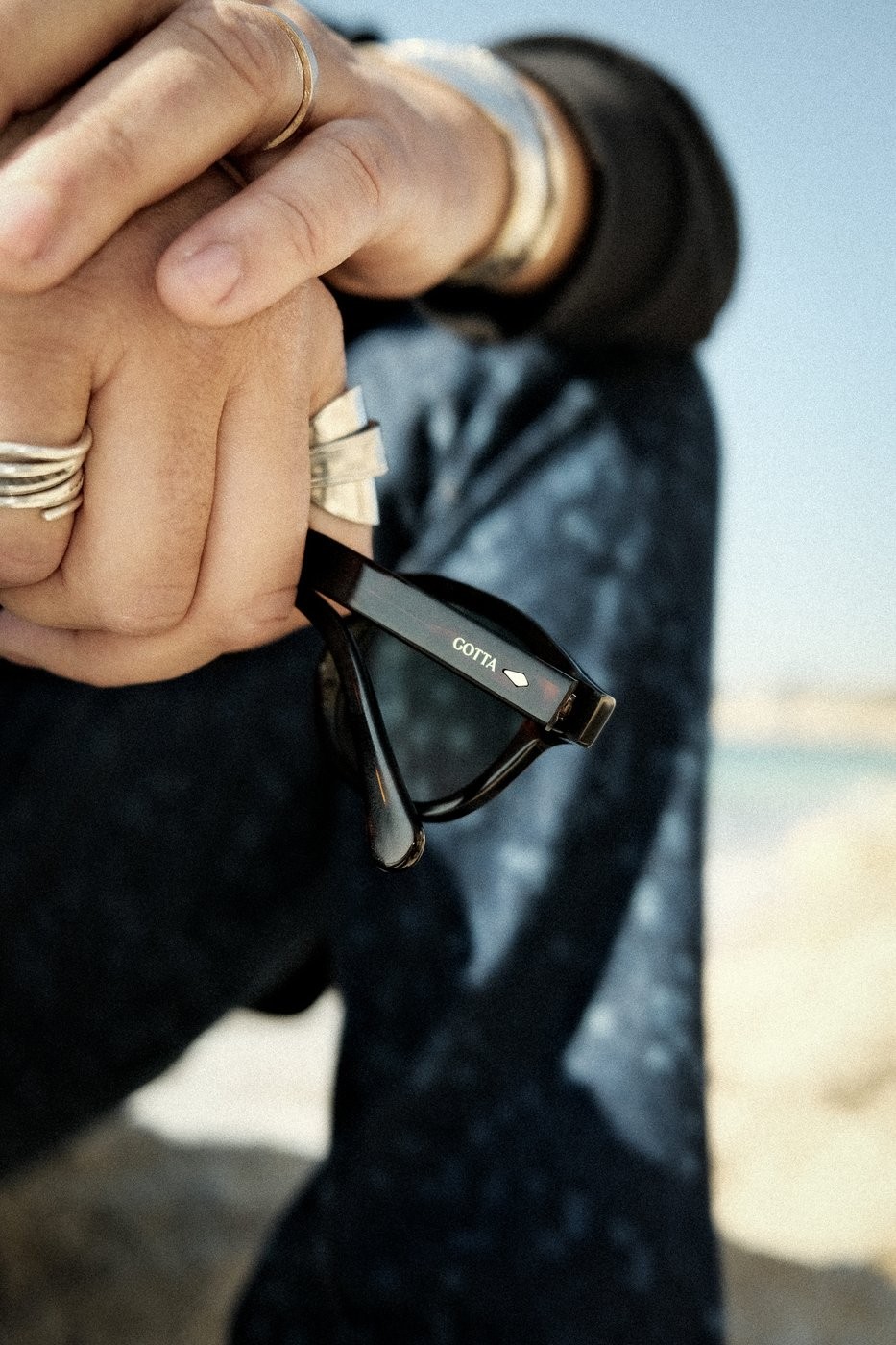 Acetate in Eyewear: Everything You Need to Know About This Noble Material That Enhances Your LookRead more
Discover acetate, the star material of high-end eyewear: plant-based origin, artisanal craftsmanship, durability. The...
-
 Why Choose Polarized Lenses?Read more
When it comes to visual comfort, there's one detail that makes all the difference: polarization. If you've ever been...
-
 How to Choose the Right Sunglasses?Read more
Sunglasses are much more than a simple fashion accessory: they protect your eyes, express your style, and go with you...
Blog categories
Search in blog
Archived posts
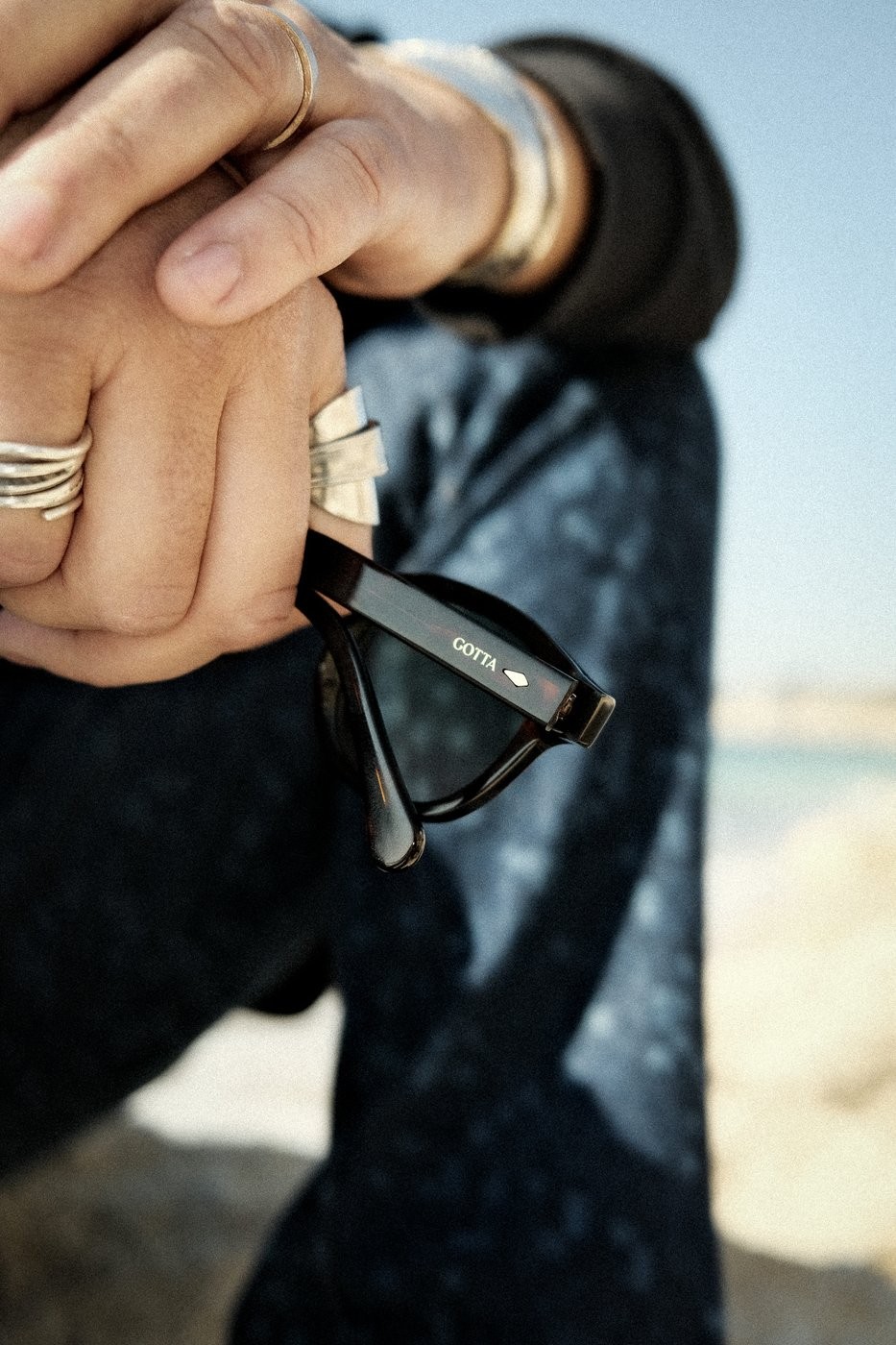
Acetate in Eyewear: Everything You Need to Know About This Noble Material That Enhances Your Look
When it comes to quality eyewear, one word comes up again and again in opticians' shops: acetate. Behind this word lies one of the noblest materials in eyewear, the one used in the majority of high-end frames for nearly a century.
At Gotta Eyewear, we've chosen acetate for almost all of our models — and that's no accident. In this article, we explain exactly what acetate is, how it's made, why it has become the reference material, and how to recognize a quality acetate frame.
What is cellulose acetate?
The acetate used in eyewear is called cellulose acetate. Contrary to what one might think, it is not a petrochemical plastic: it is a material of natural origin, made from plant fibers — mainly wood pulp and cotton.
This material was born in the late 19th century, but it only became widespread in eyewear in the 1940s, when manufacturers sought a safer, more stable alternative to celluloid (flammable) and metal (heavy and irritating for some skin types). Acetate stood out for its unique qualities: strong, lightweight, hypoallergenic, and able to capture light like no other material.
How is an acetate frame made?
Making an acetate frame is a true craft. Far from the image of “mass-molded” plastic, acetate is worked through a process that can involve up to 80 manual steps.
Acetate means color running through the material itself, the touch of the human hand, and time that gives it a beautiful patina.
It all starts with transforming cellulose into acetate sheets colored throughout. This step, which takes several weeks, involves blending cellulose with pigments and then pressing the mixture into thick sheets. The color isn't just on the surface like paint — it runs through the entire thickness of the sheet. This is what gives acetate frames their characteristic visual depth, their marbling, their tortoiseshell effects, or their gradients that are impossible to replicate in injection-molded plastic.
An Italian craft, 80 steps in the making

The color runs through the entire thickness of the sheet — the signature of acetate
The sheets are then cut, milled, hand-polished, assembled and finished by tumbling (a polishing bath that can take several days). The result: a frame that feels warm to the touch, with an impeccable finish, that develops a beautiful patina over time instead of deteriorating.
This hand-finishing is what sets an artisanal frame apart from an industrial one. Each hinge is set by hand, each temple is hand-bent, every detail checked under natural light. The final polishing, in a barrel filled with wood shavings and polishing paste, can take up to 72 hours to achieve that characteristic satin shine of acetate.
At Gotta Eyewear, we work exclusively with acetate produced by Mazzucchelli 1849, the leading Italian house for over 170 years. Their sheets stand out for their long-lasting color stability, the fineness of their marbling, and the uniquely warm feel of their formulation.
This level of quality is what allows an acetate frame to develop a beautiful patina over the years, like fine leather, rather than deteriorate. A quality pair of acetate glasses can last a decade without losing any of its shine — as long as it's cared for properly.
Why is acetate the material of choice?
Five main reasons explain why discerning brands — including Gotta Eyewear — favor acetate:
01
Rich colorsMarbling, tortoiseshell, transparencies, multi-layer gradients — an unmatched creative palette.
02
Comfort on the faceSoft to the touch, hypoallergenic, heat-adjustable by the optician.
03
DurabilityAbsorbs impact instead of snapping. Lasts 10 to 20 years.
04
LightnessExcellent weight-to-strength ratio, ideal for everyday wear.
05
Controlled environmental impactPlant-based origin, with bio-sourced options (M49, ECO Mazzucchelli 1849) for going even further.
Acetate vs. other materials
Injection-molded plastic
Cheaper but more rigid, surface color only, not very durable.
Metal
Thinner but can cause allergies, corrosion, and warping. Colder to the touch.
TR90
Very flexible and lightweight, great for sport but visually less refined.
For an everyday frame that's elegant and comfortable, acetate remains the best balance of style, longevity, and comfort.
How to recognize quality acetate?

Perfect clarity and flawless finishing — signs of premium acetate
To the eye and to the touch, high-end acetate is immediately distinguishable from lower-quality injection-molded plastic. Before investing in a new pair of glasses, take a few seconds to check these points in-store — a reputable optician will always let you examine the frame closely. Here are the four signs our own artisans use to assess a sheet of acetate.
The 4 key signs
- The feel — smooth, slightly warm, with no rough spots or mold marks
- The color — check the edge: the color should run all the way through
- The weight — neither too heavy (additives) nor too light (a sign of plastic)
- The finishing — solidly set hinges, even polishing
How to care for an acetate frame?
Acetate ages well as long as you take care of it. Three simple rules:
- Clean your glasses with warm soapy water once a week, then dry with a microfiber cloth.
- Avoid prolonged heat sources (a car dashboard in full sun, the edge of a chlorinated pool).
- Have your temples adjusted once or twice a year at your optician — it's free and extends the life of the frame.
FAQ
Does acetate yellow over time?
Quality acetate does not yellow under normal conditions of use. Prolonged, repeated exposure to intense UV or heat can affect certain light shades, but this is rare.
Are acetate glasses sturdy?
Yes. Much more so than most injection-molded plastics. Acetate absorbs impact and can be repaired with gentle heating.
Is acetate eco-friendly?
More so than conventional petrochemical plastics. Bio-sourced acetates (M49, ECO Mazzucchelli) go even further, using plant-based plasticizers and being industrially compostable.
Can an acetate frame be adjusted to fit your face?
Absolutely. This is even one of its biggest advantages: the optician can heat the acetate at a low temperature to adjust the temples and the nose bridge, perfectly fitting the frame to your face.
The Gotta Eyewear choice
Every frame is designed to last, to enhance your look, and to accompany you every day. High-end Italian acetates, selected for the richness of their colors and the quality of their craftsmanship.
Discover the collection →
Posted in:
Tips & Advice
Related posts
-
How to Choose the Right Sunglasses?
Sunglasses are much more than a simple fashion accessory: they protect your eyes, express your style, and go with you...Read more
Leave a comment